


14/01/2026
If you have ever wondered Does Japan celebrate the Lunar New Year or the Western New Year?, the answer may surprise many people. Unlike most Asian countries that still celebrate the New Year according to the lunar calendar, modern Japan celebrates the New Year based on the Western (Gregorian) calendar and considers it the most important holiday of the year. Not only is the timing different, but the Japanese New Year also features many unique, refined customs that strongly reflect the country’s traditional cultural identity.
The article below will help you clearly understand Does Japan celebrate the Lunar New Year or the Western New Year?, when New Year in Japan takes place, and explore the traditional New Year customs that Japanese people have preserved and passed down through generations.
Does Japan celebrate the Lunar New Year or the Western New Year?
Explaining the Oshōgatsu Calendar
Many Vietnamese people believe that Japan celebrates the Lunar New Year like China, South Korea, or Vietnam. However, the truth is that Japan celebrates the New Year according to the Western (Gregorian) calendar. This New Year is called Shōgatsu (正月) and is considered one of the most important holidays of the year in Japan.
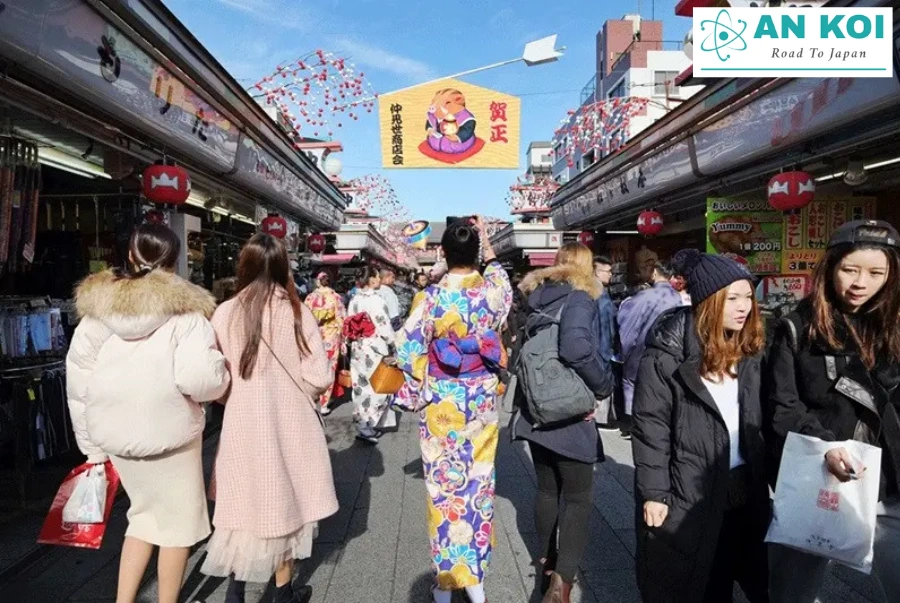
Does Japan celebrate the Lunar New Year or the Western New Year?
The answer is: Japan celebrates the Western New Year, not the Lunar New Year.
For Japanese people, New Year is not only a moment marking the transition to a new year, but also an important time to:
-
Gather with family
-
Pray for good luck and good health
-
Reflect on the past year and prepare mentally for the year ahead
Interestingly, although Japan celebrates New Year based on the Western calendar, many New Year customs and meanings remain deeply rooted in East Asian traditions. Practices such as ancestor worship, visiting temples and shrines, and praying for prosperity are still preserved—only the timing of the celebration is different.
Why did Japan abandon the Lunar New Year and switch to the Western New Year?
Many people wonder: Japan is an Asian country, so does Japan celebrate the Lunar New Year or the Western New Year, and why is it different from Vietnam and many other countries in the region?
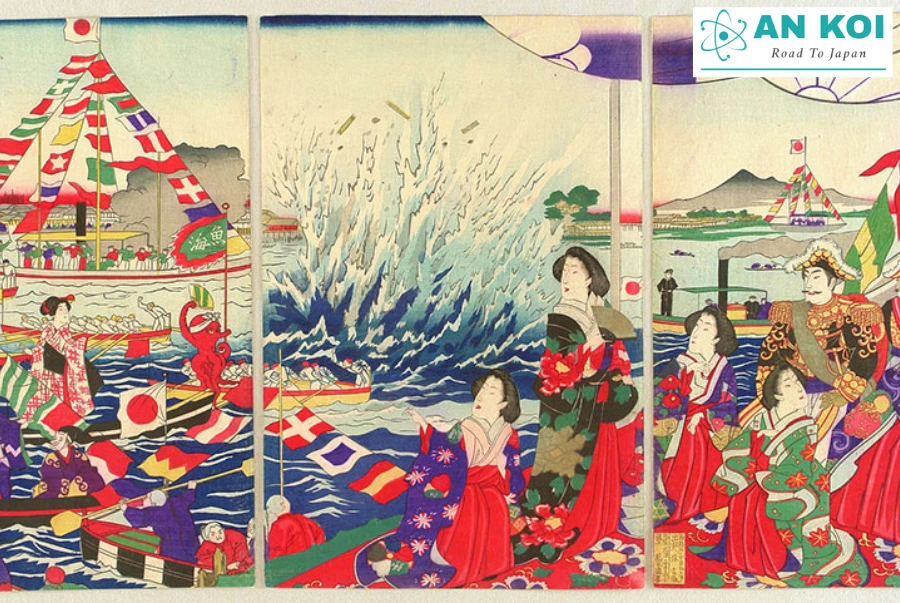
Why did Japan abandon the Lunar New Year and switch to the Western New Year?
In reality, Japan officially adopted the Western (Gregorian) calendar during its modernization period in order to align with global development trends. This change was made to:
-
Synchronize with Western countries in international relations
-
Facilitate trade, economic activities, and social operations
-
Reform the administrative system and standardize working schedules in a modern way
Therefore, if you are looking for the answer to does Japan celebrate the Lunar New Year or the Western New Year, this shift is not merely a difference in calendars. It represents an important historical turning point that marked Japan’s rapid modernization and shaped the way Japanese people celebrate the New Year today.
What is the Japanese New Year and when does it take place?
Another common question is: When does New Year in Japan take place?
In general, Japanese people begin to feel the New Year atmosphere from late December, with the most important celebrations concentrated in the first days of January.
Main period of the Japanese New Year:
-
December 31: New Year’s Eve (Ōmisoka)
-
January 1: New Year’s Day (the most important day)
-
January 2–3: Early New Year days for visiting relatives and going to shrines and temples
-
Some companies may remain closed until January 4 or 5, depending on the organization
Therefore, if someone asks Does Japan celebrate the Lunar New Year or the Western New Year?, you can answer briefly:
Japan celebrates the Western New Year, with New Year’s Day on January 1.
Popular Japanese New Year customs
When exploring Does Japan celebrate the Lunar New Year or the Western New Year?, you will discover that Japanese people follow many traditional rituals that are practiced seriously and consistently every year.
1. Year-end house cleaning (Ōsōji)
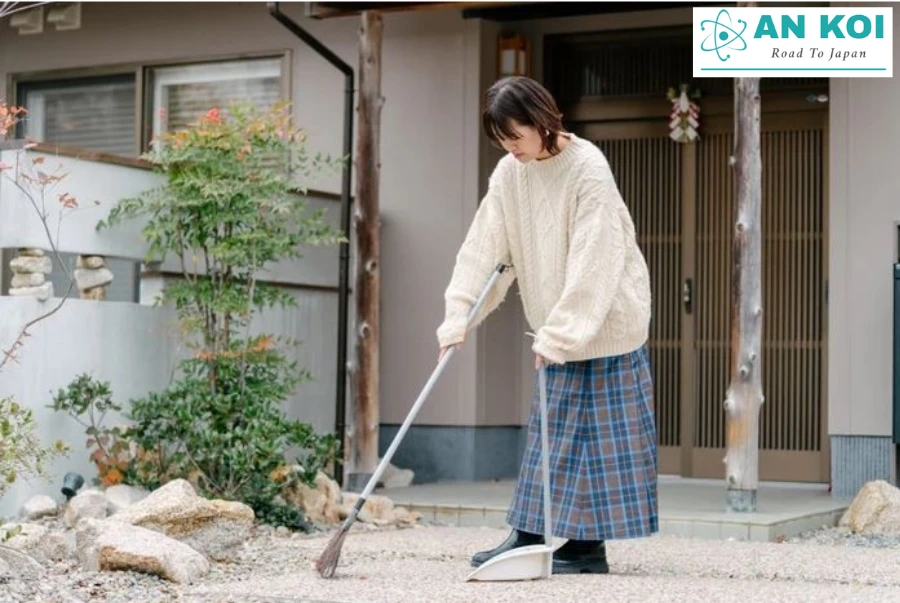
Japanese people carry out a thorough house cleaning known as Ōsōji, which is a distinctive custom often mentioned when discussing Does Japan celebrate the Lunar New Year or the Western New Year?
At the end of December, families clean their homes thoroughly with the intention to:
-
“Clear away” bad luck from the old year
-
Welcome the New Year with a clean and orderly space
-
Create a sense of a fresh start
This custom clearly reflects the Japanese values of discipline and the belief that cleanliness brings good fortune.
2. New Year decorations
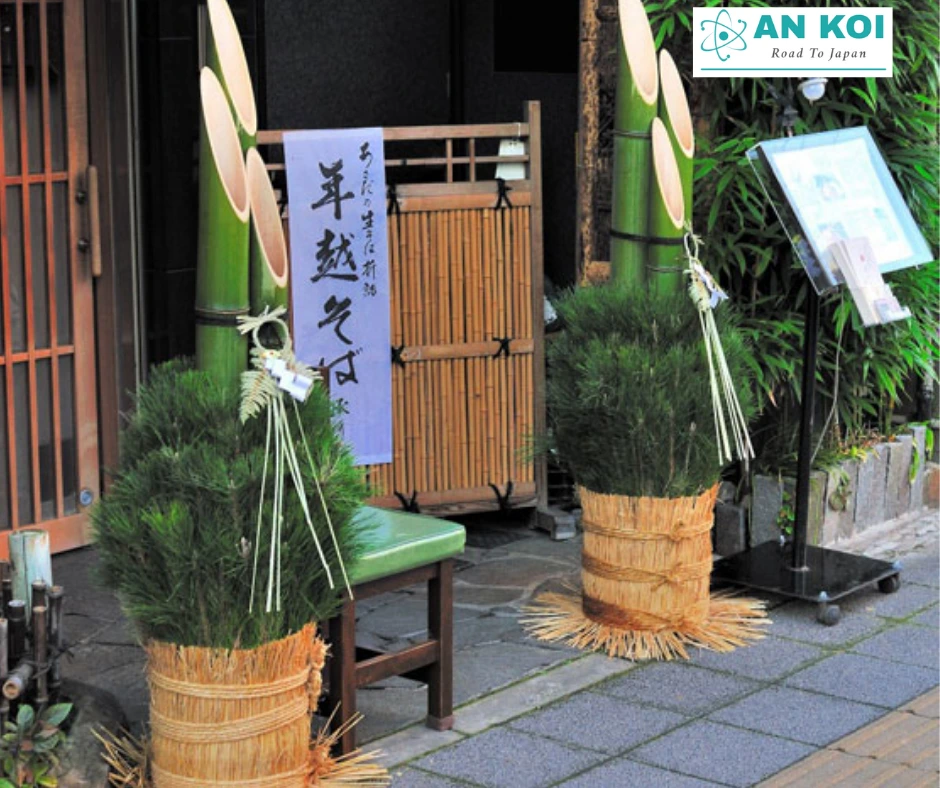
During the New Year season, Japanese homes are decorated with various items symbolizing good luck.
During the New Year season, Japanese homes are decorated with various items symbolizing good luck. This is another interesting aspect when learning Does Japan celebrate the Lunar New Year or the Western New Year?—although Japan follows the Western calendar, the customs remain deeply traditional.
Common decorations include:
-
Kadomatsu: Placed at entrances, made from bamboo and pine, symbolizing vitality and good fortune
-
Shimenawa: Sacred ropes used to ward off evil spirits and invite good luck
-
Kagami mochi: Stacked round rice cakes representing harmony, abundance, and prosperity
3. First shrine or temple visit of the year (Hatsumōde)
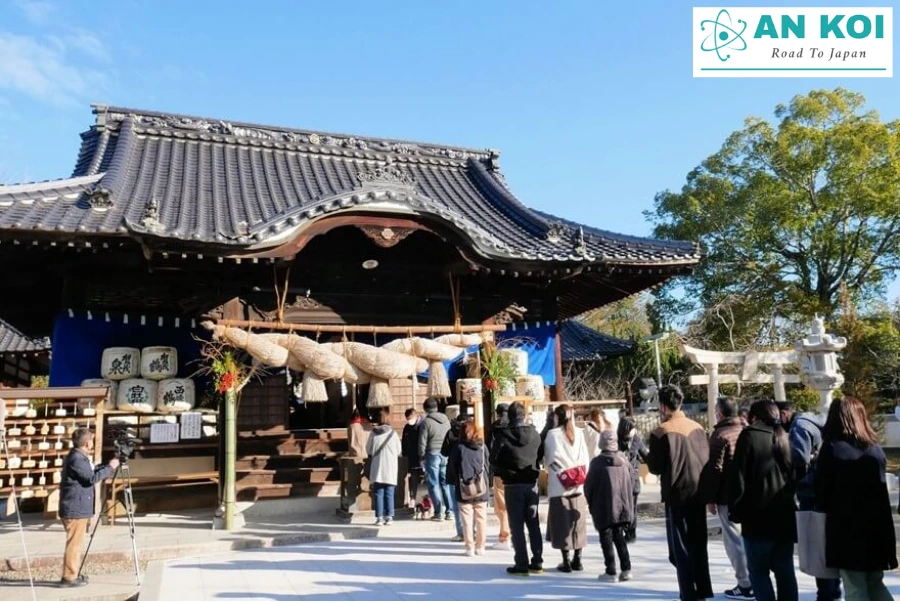
When exploring Does Japan celebrate the Lunar New Year or the Western New Year?, you will notice that Japanese people usually visit shrines or temples at the beginning of the year.
On January 1 or during the first three days of the New Year, people take part in Hatsumōde to:
-
Pray for safety and peace
-
Wish for prosperity and success
-
Purchase lucky charms (Omamori)
If you visit Japan during this time, it is common to see long lines at famous shrines as people pray for good fortune in the coming year.
4. Sending New Year greeting cards (Nengajō)
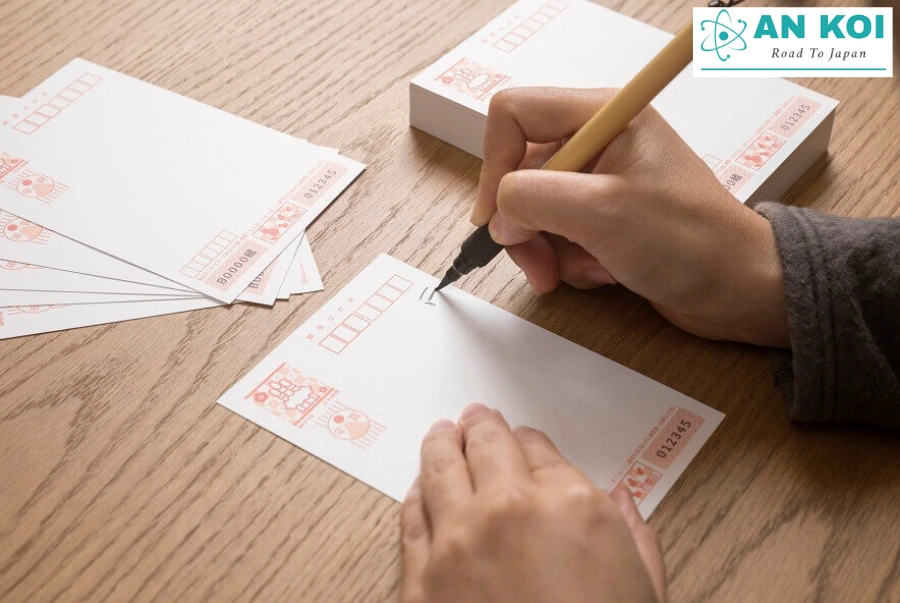
When learning Does Japan celebrate the Lunar New Year or the Western New Year?, you will find that Japanese people still maintain the tradition of sending physical greeting cards.
Instead of relying solely on text messages, Nengajō cards are sent to:
-
Friends
-
Colleagues
-
Teachers and family members
This beautiful tradition reflects the importance of relationships and the sincerity of New Year wishes in Japanese culture.
Traditional foods of the Japanese New Year
During the New Year season, when exploring Does Japan celebrate the Lunar New Year or the Western New Year?, you will find that the Japanese New Year cannot be separated from traditional dishes that symbolize good luck, longevity, and prosperity.
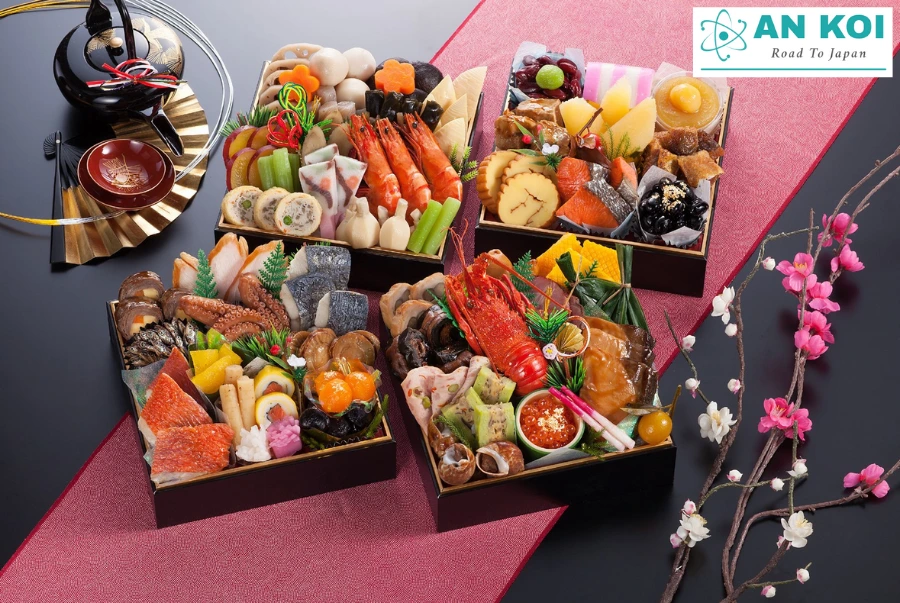
1. Osechi Ryōri – the New Year feast
Osechi Ryōri refers to a variety of dishes prepared in advance and neatly arranged in multi-tiered boxes called jubako. This is one of the most distinctive features of the Japanese New Year. When learning Does Japan celebrate the Lunar New Year or the Western New Year?, it becomes clear that although Japan celebrates the Western New Year, many meaningful traditions are still carefully preserved.
Each dish in Osechi symbolizes positive wishes such as:
-
Wealth and prosperity
-
Good health
-
Family harmony
2. Mochi and the traditional rice-pounding ceremony (Mochitsuki)
Mochi is an essential food during the New Year period. When exploring Does Japan celebrate the Lunar New Year or the Western New Year?, you will notice that despite following the Western calendar, Japan still maintains many traditional customs. In some regions, people hold Mochitsuki—a traditional rice-pounding event—which is both a cultural activity and a way to strengthen family bonds and togetherness.
Traditional foods of the Japanese New Year
3. Year-end soba noodles (Toshikoshi Soba)
Before New Year’s Eve, Japanese people traditionally eat Toshikoshi Soba. This is a familiar custom often mentioned when discussing Does Japan celebrate the Lunar New Year or the Western New Year?, as it reflects how traditional rituals remain important even when celebrating the Western New Year.
Eating Toshikoshi Soba symbolizes:
-
Praying for a long life
-
Wishing for smooth progress in the coming year
-
Letting go of bad luck from the old year
4. Ozōni – New Year mochi soup
Ozōni is a traditional soup containing mochi, with recipes varying by region across Japan. This dish is also commonly associated with discussions about Does Japan celebrate the Lunar New Year or the Western New Year?, as it shows how Japan celebrates the Western New Year while fully preserving traditional values. Ozōni symbolizes warmth, family reunion, and abundance in the New Year.
Lucky money and New Year gifts in Japan
In Vietnam, there is the tradition of giving lucky money (mừng tuổi). When exploring Does Japan celebrate the Lunar New Year or the Western New Year?, you will find that Japan has a similar custom called Otoshidama.
What is Otoshidama?
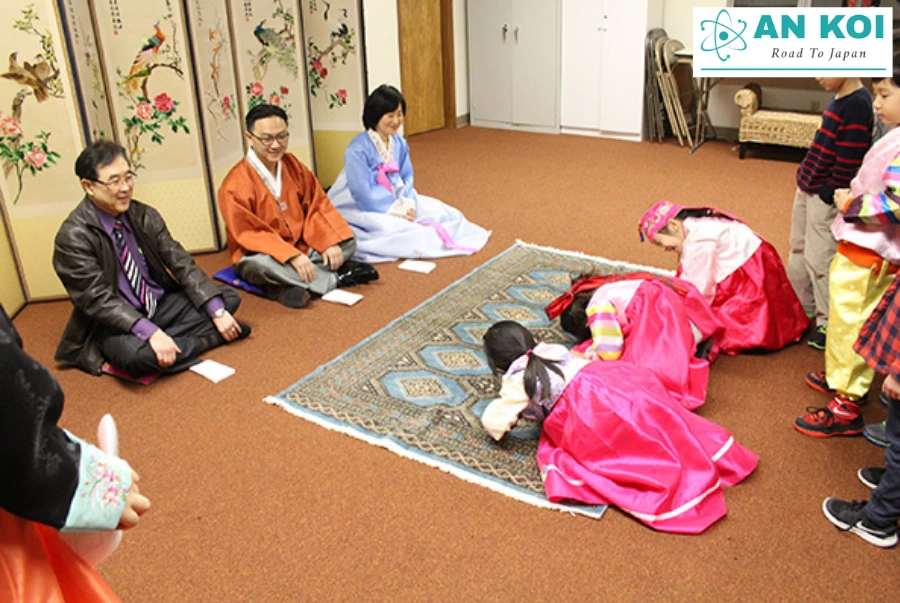
Otoshidama refers to the New Year’s money that adults give to children during the New Year period, usually placed in small and beautifully designed envelopes. When learning Does Japan celebrate the Lunar New Year or the Western New Year?, it becomes clear that although Japan celebrates the Western New Year, many traditional cultural practices are still carefully preserved.
Lucky money and New Year gifts in Japan
In addition to lucky money, gift-giving is also common during the Japanese New Year. However, Japanese people tend to prioritize gifts that are:
-
Practical and useful
-
Neatly packaged and refined
-
Appropriate and polite according to Japanese etiquette
Japanese New Year activities that visitors should experience
If you want to fully enjoy the New Year atmosphere and are still wondering Does Japan celebrate the Lunar New Year or the Western New Year?, experiencing the Western New Year in Japan at least once is highly recommended.
Some activities you should try include:
-
Visiting shrines or temples at the beginning of the year (Hatsumōde)
-
Buying lucky charms (Omamori)
-
Purchasing Fukubukuro (lucky bags) at shopping malls
-
Tasting Osechi Ryōri or mochi in the authentic Japanese New Year style
-
Taking photos with Kadomatsu decorations in major streets and city centers
In summary, if you are looking for the answer to Does Japan celebrate the Lunar New Year or the Western New Year?, the correct conclusion is:
Japan celebrates the Western New Year, held annually on January 1.
The above information from Ankoi aims to help you clearly understand Does Japan celebrate the Lunar New Year or the Western New Year?, while also exploring the historical background and distinctive New Year customs of Japanese culture. We hope this article has provided you with useful insights and an interesting perspective on how New Year is celebrated in the Land of the Rising Sun.
If you have any questions about Japan or need consultation on studying abroad in Japan, feel free to contact Ankoi. We are always ready to support you 24/7.
- Website: https://ankoi.vnbro.com/
- Facebook Page: https://www.facebook.com/duhocankoi
- Hotline: +84 906 378 027
- Head Office: 35 To Hieu Street, Nha Trang Ward, Khanh Hoa Province, Vietnam
Latest Posts


Hashtags
Contact


