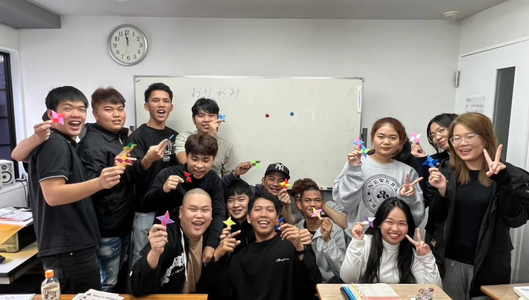



ANKOI offers Japanese Language Training programs from basic to advanced levels, specially designed for students planning to study in Japan. Each Japanese Language Training course is goal-oriented, helping students build a solid language foundation from the very beginning. Through a well-structured Japanese Language Training system, students develop all four core skills—listening, speaking, reading, and writing—along with practical communication abilities for real-life use.
Japanese Language Training – A Crucial Foundation for Studying in Japan
Throughout the preparation process for studying in Japan, Japanese Language Training is a mandatory and decisive factor. Participating in Japanese Language Training with a clear and appropriate roadmap helps students quickly adapt to the academic environment in Japan. Beyond meeting application requirements, Japanese Language Training directly impacts academic performance and daily life.
Japanese proficiency gained through Japanese Language Training affects:
-
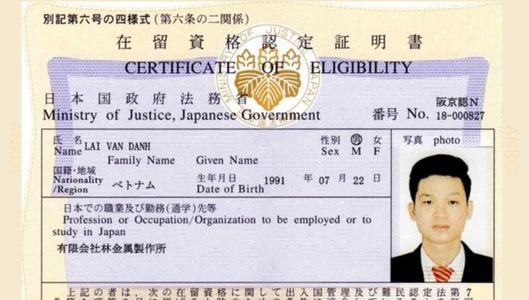
The ability to obtain COE and a student visa
-
Performance in interviews with schools and the Japanese Embassy/Consulate
-
Opportunities for legal part-time work
-
The ability to pursue higher education and build a long-term career in Japan
For these reasons, ANKOI focuses on Japanese Language Training tailored specifically to study-abroad goals, helping students achieve the required proficiency within a reasonable timeframe and confidently prepare for their journey to Japan.
Key Highlights of the Japanese Language Training Program at ANKOI
The entire Japanese Language Training program at ANKOI is designed with clear objectives, avoiding scattered or unnecessary content.
-
The Japanese Language Training roadmap focuses on achieving N5, meeting the requirements for study abroad applications.
-
Intensive Japanese Language Training courses for beginners with no prior knowledge, completed in approximately 3 months.
-
Japanese Language Training content closely follows the JLPT N5 exam structure.
-
The Japanese Language Training methodology combines theory with practical communication skills.
-
Experienced instructors in Japanese Language Training who understand study abroad application requirements.
-
Students receive personalized Japanese Language Training roadmaps tailored to their individual abilities and goals.
With clear orientation, the Japanese Language Training program at ANKOI helps students gain confidence in interviews and complete their Japan study abroad applications successfully.
Japanese Language Proficiency Requirements for Studying in Japan
Throughout the entire study abroad process, Japanese Language Training is a mandatory criterion evaluated consistently from application documents to visa approval.
Japanese Language Requirements by Study Area
- Kansai Region (Osaka, Kobe, Kyoto): Students are required to have a basic Japanese language foundation equivalent to JLPT N5 and provide a certificate confirming participation in Japanese Language Training prior to arrival in Japan.
The minimum required duration of Japanese Language Training is typically around 180 hours, ensuring students possess sufficient communication skills and learning ability to study at Japanese language schools.
Japanese Language Training Requirements by Study Area
- Kanto Region and Other Major Cities (Tokyo, Hiroshima, Fukuoka, etc.): In addition to holding a JLPT N5 certificate or proof of JLPT registration, students must submit official documentation confirming completion of at least 180 hours of Japanese Language Training. This Japanese Language Training record serves as a crucial basis for schools and the Immigration Bureau to assess students’ academic readiness and adaptability to life and study in Japan.
Japanese Language Requirements by Enrollment Period
Japan offers multiple enrollment periods throughout the year, and each intake has different requirements regarding Japanese language proficiency as well as prior Japanese Language Training before admission.
Depending on the enrollment period, students may be required to demonstrate a specific level of Japanese proficiency and provide proof of completing an appropriate duration of Japanese Language Training to ensure readiness for study and life in Japan.
- Japanese Language Training Requirements by Enrollment Period
- April, July, and October Intakes: Students are required to have a minimum Japanese proficiency equivalent to JLPT N5 or higher and provide official proof of completing at least 180 hours of Japanese Language Training.
Completing the required Japanese Language Training significantly improves the evaluation of study abroad applications and increases the chances of obtaining the COE and student visa. - January Intake: The Japanese Language Training requirements for the January intake are generally higher than other intakes. Students must reach at least JLPT N4 level, and many schools give priority to applicants who have completed Japanese Language Training at the N3 level.
This ensures students have sufficient language ability to follow lectures, absorb academic content, and adapt effectively to the study environment in Japan.
Japanese Language Requirements by Program and School Type
- Japanese Language Schools, Vocational Schools, and Colleges with Japanese Instruction: Students are only required to have Japanese proficiency equivalent to JLPT N5 and provide proof of participation in Japanese Language Training prior to enrollment.
This Japanese Language Training process helps students build basic communication skills, meeting the minimum requirements for study and daily life in Japan. - Direct Enrollment in Universities or Graduate Programs: Most universities require students to have Japanese proficiency at JLPT N2 or higher, depending on the major and academic program. Completing advanced-level Japanese Language Training is a critical condition for students to understand specialized coursework and meet academic requirements at Japanese universities.
Japanese Language Requirements by Student Background
- First-Time Students Going to Japan: Students are required to have basic Japanese proficiency equivalent to JLPT N5 and provide evidence of completing a certain period of Japanese Language Training before studying abroad. This Japanese Language Training record serves as an important basis for schools and the Immigration Bureau to assess students’ academic readiness and overall preparedness for studying in Japan.
- Students Who Have Previously Studied or Lived in Japan: When returning to Japan to continue their studies, students are typically required to have a minimum Japanese proficiency of JLPT N4 or higher. Having completed higher-level Japanese Language Training allows students to readapt more easily to the academic environment, communication, and daily life in Japan.
Structured JLPT Exam Preparation – Increasing Pass Rates from N5 to N1 at ANKOI
The Japanese Language Training program at ANKOI is professionally designed to help students achieve high results in the JLPT examinations from N5 to N1.
ANKOI not only focuses on developing Japanese language proficiency but also equips students with effective study strategies and structured exam preparation methods that closely follow the actual JLPT test format.
With a clear Japanese Language Training roadmap and a scientific teaching approach, students gain the confidence to enter the JLPT exam and achieve their targeted results.
1. Study and Test-Taking Strategies for Each JLPT Level
Each JLPT level has its own structure and requirements. Therefore, ANKOI designs a customized Japanese Language Training pathway for every proficiency level.
During the Japanese Language Training process, students are guided in detail on:
-
Effective time management strategies for each section during both training sessions and the official JLPT exam.
-
Techniques for handling difficult questions in listening, reading comprehension, vocabulary, and grammar through intensive practice within the Japanese Language Training program.
-
Skill-based test-taking strategies aimed at maximizing scores, helping students significantly improve JLPT results through ANKOI’s structured Japanese Language Training approach.
2. Regular Practice Tests and Continuous Skill Assessment
- Throughout the Japanese Language Training program at ANKOI, students regularly practice with real JLPT mock tests under time pressure, allowing them to become familiar with the exam format and pacing.
After each practice session, instructors analyze results, clearly identify strengths and weaknesses, and adjust the Japanese Language Training plan to match each student’s ability level. - In addition, students receive detailed performance reports and weekly progress updates during their Japanese Language Training, enabling them to actively improve skills and enhance overall JLPT preparation efficiency.
The Japanese Language Training program at ANKOI is professionally designed to help students achieve high scores in the JLPT examination.
3. Vocabulary, Grammar, and Kanji Learning Strategies
- Through the Japanese Language Training program, students are guided on how to memorize vocabulary effectively by topic and JLPT level.
They learn how to apply grammar flexibly in reading comprehension and writing tasks. - In addition, students participating in Japanese Language Training receive systematic kanji practice using smart and scientific methods. This approach helps them retain kanji long-term and apply it quickly during the JLPT exam, significantly improving their performance in official test sessions.
4. Guaranteed Learning Outcomes
- ANKOI commits that students who fully participate in the Japanese Language Training program can increase their JLPT pass rate from 80% to 100%, depending on each level.
- Students who do not meet their expected results will receive free additional consultation and supplementary training, ensuring continuous score improvement in subsequent JLPT exams.
- With a team of experienced instructors specializing in Japanese Language Training, students are closely supported throughout their learning journey—from knowledge consolidation to exam skill mastery—helping them stay confident, well-prepared, and successful when taking the JLPT.
Student Success Stories
Nguyen Minh Anh – Passed JLPT N5 after 3 months
I started learning Japanese from zero, so I was quite worried at first. Thanks to the intensive Japanese Language Training program at ANKOI, I was able to focus on the right content without feeling overwhelmed. The instructors provided very detailed guidance, especially in grammar and listening practice based on real JLPT exam formats. As a result, I successfully passed JLPT N5 in my very first attempt.
Tran Quoc Huy – Passed JLPT N5 after 4 months
Previously, my Japanese studies were fragmented, and I lacked confidence to take the exam. After joining ANKOI’s Japanese Language Training program, all my knowledge was systematically reorganized, and I practiced JLPT mock tests regularly following a clear learning roadmap. Thanks to the structured Japanese Language Training approach and close support from experienced teachers, I performed much better and achieved JLPT N5 as planned.
Le Thi Ngoc Mai – Passed JLPT N4 after 5 months
I already had JLPT N5, but moving up to N4 felt quite stressful. By enrolling in ANKOI’s JLPT-focused Japanese Language Training program, I concentrated heavily on reading comprehension and listening using real exam questions. With a training method closely aligned with JLPT structure and targeted practice, I quickly adapted to the exam pace and successfully passed JLPT N4 on schedule.
Japanese language proficiency is the key factor determining success in studying in Japan—from application documents and visa approval to academic performance and long-term career opportunities. With a well-structured Japanese Language Training roadmap tailored to study-abroad goals and comprehensive JLPT preparation from N5 to N1, ANKOI not only helps students obtain the required certifications but also builds confidence for effective study and integration in Japan.
If you are preparing to study in Japan or need to improve your Japanese proficiency within a short time, ANKOI is ready to accompany you through suitable Japanese Language Training programs from the very first steps.
Register today for a personalized Japanese Language Training consultation at ANKOI to assess your current level, design a tailored study plan, and confidently conquer the JLPT—building a solid and sustainable pathway to studying in Japan.